Senior Home Repair Town Hall Unites Springfield Homeowners
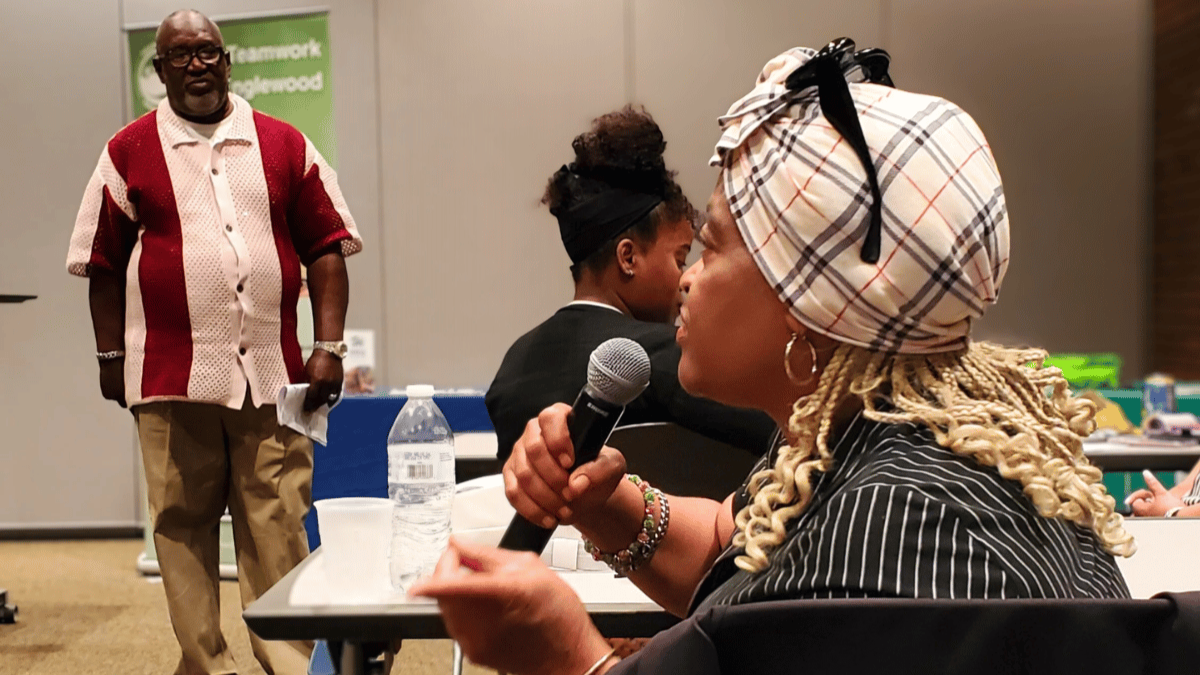
Senior home repair took center stage in Springfield on Saturday, October 4, 2025. More than thirty community members and advocates filled the Lincoln Library for the Town Hall on Home Repair. The afternoon brought together stories, data, solidarity, and solutions.
Thousands of older, low-income homeowners across Illinois still live in unsafe conditions because they can't afford critical repairs. The statewide coalition fighting for them gained new momentum downstate. John Herring of the Illinois Network of Centers for Independent Living (INCIL) and Habitat for Humanity of Sangamon County helped make it happen.
Gail Schechter of Housing Opportunities and Maintenance for the Elderly (H.O.M.E.) facilitated the event alongside Rev. Robin Hood. Rev. Hood leads the Illinois Anti-Foreclosure Coalition and Mothers Opposed to Violence Everywhere (M.O.V.E.). Together, they rallied the room around a bold idea for keeping seniors safe at home. Speakers from Chicago and Springfield shared what that idea could mean for homeowners statewide.
A One-Stop Shop for Senior Home Repair
The facilitators generated excitement around the Senior Home Preservation Program Act. The coalition was drafting the bill for introduction in the 2026 legislative session. Its concept already earned a bipartisan thumbs-up from the Illinois House Human Services Committee in 2024. Now advocates want lawmakers to turn that support into law.
The Act would create a streamlined home-repair infrastructure for Illinois. At its core sits a "one-stop shop" for low-income senior homeowners. Owners of one- to four-unit homes could apply for repairs and modifications in one place. Local delegate agencies would then complete the work.
That simplicity matters. Today, many seniors must navigate a patchwork of programs, each with its own rules and waiting lists. A single front door would make help easier to find. For a senior homeowner, that means one application instead of many.
The Act also looks beyond repairs. It would fund workforce development through training and stipends for new workers. Those stipends would help trainees afford to learn the trade. As a result, the proposal tackles two challenges at once. Seniors could stay safely in their homes, while communities gain a new generation of trained repair workers.
Racial Inequities Deepen the Senior Home Repair Crisis
Seniors from Englewood and Springfield made one point clear. Racial inequities explain why Black older homeowners face the greatest disadvantage today.
Teresa Haley, President of the Habitat for Humanity of Sangamon County board of directors, welcomed the group. She traced a grim history, from lynchings to racially discriminatory mortgage lending and access to credit. Those obstacles, she explained, created today's vast need for new resources. Too many older homeowners now live in unsafe housing as a result. Her remarks set the tone for the afternoon, and NewsChannel 20 covered the event.
Rev. Hood added another painful layer. Fraudulent reverse mortgage brokers and scam contractors targeted Black senior homeowners who were asset-rich but cash-poor. Many lost homes they had owned for decades or inherited from family. Those who kept their homes have struggled to secure credit for repairs.
Disasters have compounded the damage. Princess Shaw of Light Up Lawndale is assisting 200 homeowners on Chicago's West Side. Flooding two years ago left them with mold and other problems that FEMA still hasn't addressed.
Each story pointed to the same conclusion. The damage spans generations. Without targeted help, the families hit hardest by discrimination will keep losing ground.
Data and Stories Reveal the Senior Home Repair Need
Geoff Smith, director of the DePaul Institute for Housing Studies, brought data to the conversation. His findings show the crisis falls hardest on Black seniors.
Statewide, 60% of Black older homeowners have low and moderate incomes. That share is higher than every other group: 57% of Latine, 52% of white, and 44% of Asian older homeowners. In Springfield, the figure climbs to nearly 82%.
Illinois' population is also aging alongside its housing stock. Between 2012 and 2023, households headed by someone 65 or older grew by 31.4%. All households grew by just 6.3% over the same period. As the chart below shows, most low-income senior homeowners live in very old homes.
Homeowners put a human face on these numbers. An 80-year-old Chicagoan can live independently, but her home's condition stands in the way. She has no plans to leave: "I'm not going anywhere."
She described the challenge in her own words. "It's not that I need a lot done, but the little bit I do need done is all over the place. I just want to take care of myself." Small repairs scattered across a home can add up to a serious barrier. Her story reflects what so many seniors want: to stay home, stay safe, and stay independent.
Building a Senior Home Repair Workforce for the Future
Candace Silas, the new director of Habitat for Humanity of Sangamon County, sees workforce education as part of the solution. She focused on the issue in prior roles at Lincoln Land Community College and the Springfield Urban League.
Her message captured the spirit of the afternoon. "We have to lay that foundation for the next generation. If enough of us join together, we can build homes, we can repair homes, and we can change lives."
The Town Hall showed what that collaboration looks like. Homeowners, advocates, researchers, and local agencies came together around one goal. Every older Illinoisan deserves a safe home and the support to stay in it. The Senior Home Preservation Program Act offers a path to make that possible.
Momentum continues to build in Chicago, Springfield, and across Illinois as the coalition works with legislators. To receive updates and get involved, join the Fix Our Homes Illinois Coalition.