
Whole-Home Repair Pilot in the ROAD to Housing Act
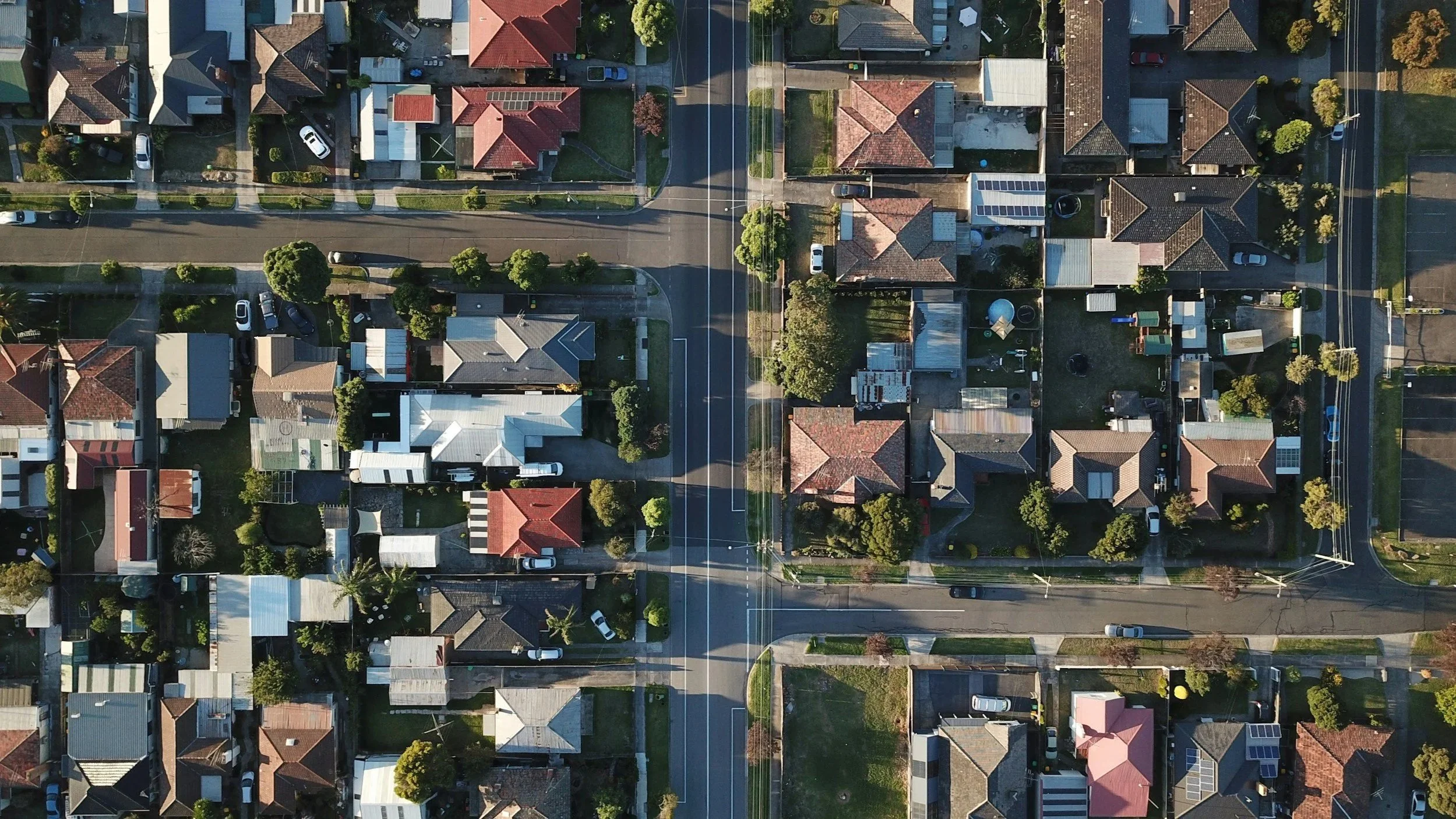
Whole-home repair pilot funding took a bold step forward in the Senate's bipartisan ROAD to Housing Act of 2025. Section 204 of the bill includes the Whole-Home Repair pilot program. The pilot would help low-income homeowners and small landlords fix unsafe or aging homes.
This is more than policy news. It marks a turning point in how the nation preserves affordable, safe housing. Communities still struggle against displacement and decay. That's why our coalition is urging Congress to see this pilot through to enactment.
Why the Whole-Home Repair Pilot Matters
Too many families live with unsafe conditions simply because they can't afford repairs. Leaky roofs, mold, aging wiring, and inaccessible homes put residents at risk. These issues disproportionately impact low-income households and people of color. They compound inequalities in health, safety, and housing stability.
Repair is preservation. It keeps existing homes habitable and helps residents stay rooted in their communities. It also prevents the loss of affordable housing.
What Section 204 Delivers
A HUD-administered pilot. If enacted, Section 204 would create a HUD pilot that tackles whole-home repairs head-on. It would serve both low-income homeowners and small landlords of affordable housing units.
Grants for homeowners. Grants would help homeowners cover essential repairs not funded elsewhere. Eligible homeowners typically earn at or below 80% of the area median income. Owner-occupied single-family homes, inherited properties, and manufactured housing all qualify. Grant amounts would adjust to local construction costs.
Loans for small landlords. Landlords who own fewer than 10 rental units could receive loans, including forgivable loans. Funds could cover repairs to individual units, common spaces, or structural systems. Loans may be forgiven after three years, contingent on affordability and compliance terms.
Local implementation, national reach. States and local governments can apply to run the program. They can also partner with nonprofits, tribal housing entities, or other qualified organizations. HUD would select 2 to 10 implementing organizations each year, with no more than one per state.
Funding and timeline. The pilot is authorized at up to $30 million total, drawn from HUD's Office of Lead Hazard Control and Healthy Homes. It runs through October 1, 2031. That extended timeline gives communities time to build capacity and test strategies.
A complementary PRICE Act. The same housing package reauthorizes Preservation and Reinvestment for Community Enhancement (PRICE) grants. These grants support manufactured homes and their communities, an important complement to rehabilitation efforts.
Legislative progress. The Senate Banking Committee passed the legislation unanimously. A House markup is expected this fall.
Broad Support for the Whole-Home Repair Pilot
Advocacy organizations hailed the bill as a vital step forward. Supporters include the Coalition for Home Repair, Habitat for Humanity, LISC, the National Housing Law Project, and many others.
Pennsylvania has already seen success with a similar program. Advocates see the pilot as a chance to amplify what already works and scale it.
Why Illinois Should Push for the Whole-Home Repair Pilot
Section 204 offers real opportunities for Illinois:
A tested, flexible pilot that safeguards existing affordable homes
Support for both homeowners and small landlords, building equity across ownership types
Paths for workforce development, oversight, and local control
A chance to advocate before funding is locked in
A precedent for future, larger-scale investments in repair infrastructure
Help Move the Whole-Home Repair Pilot Forward
Our coalition is calling on all supporters to take action:
Contact your Illinois representatives and senators, and ask them to support and fund Section 204 in the final bill.
Share the news widely to help allies and constituents understand the impact.
Amplify local stories of people who have benefited from repair initiatives, or share your own.
Whole-home repair is more than maintenance. It's community defense. It keeps families safe in place, restores housing equity, and strengthens neighborhoods.
Our coalition stands ready to champion this opportunity. It's time for Congress to deliver. To join the push, join the Fix Our Homes Illinois Coalition today!