
Statewide Home Repair Program Would Keep Illinois Homeowners Safe
A statewide home repair program could change the future for thousands of Illinois homeowners. In February 2023, Professor Robin Bartram made that case in the Chicago Tribune. Bartram had spent nearly a decade researching housing conditions in Chicago, so her findings carried weight.
She argued that a new state homeownership program helped people buy homes but overlooked a critical issue: repairs. Her argument struck a chord. Her editorials became a catalyst for our coalition, which formed that spring.
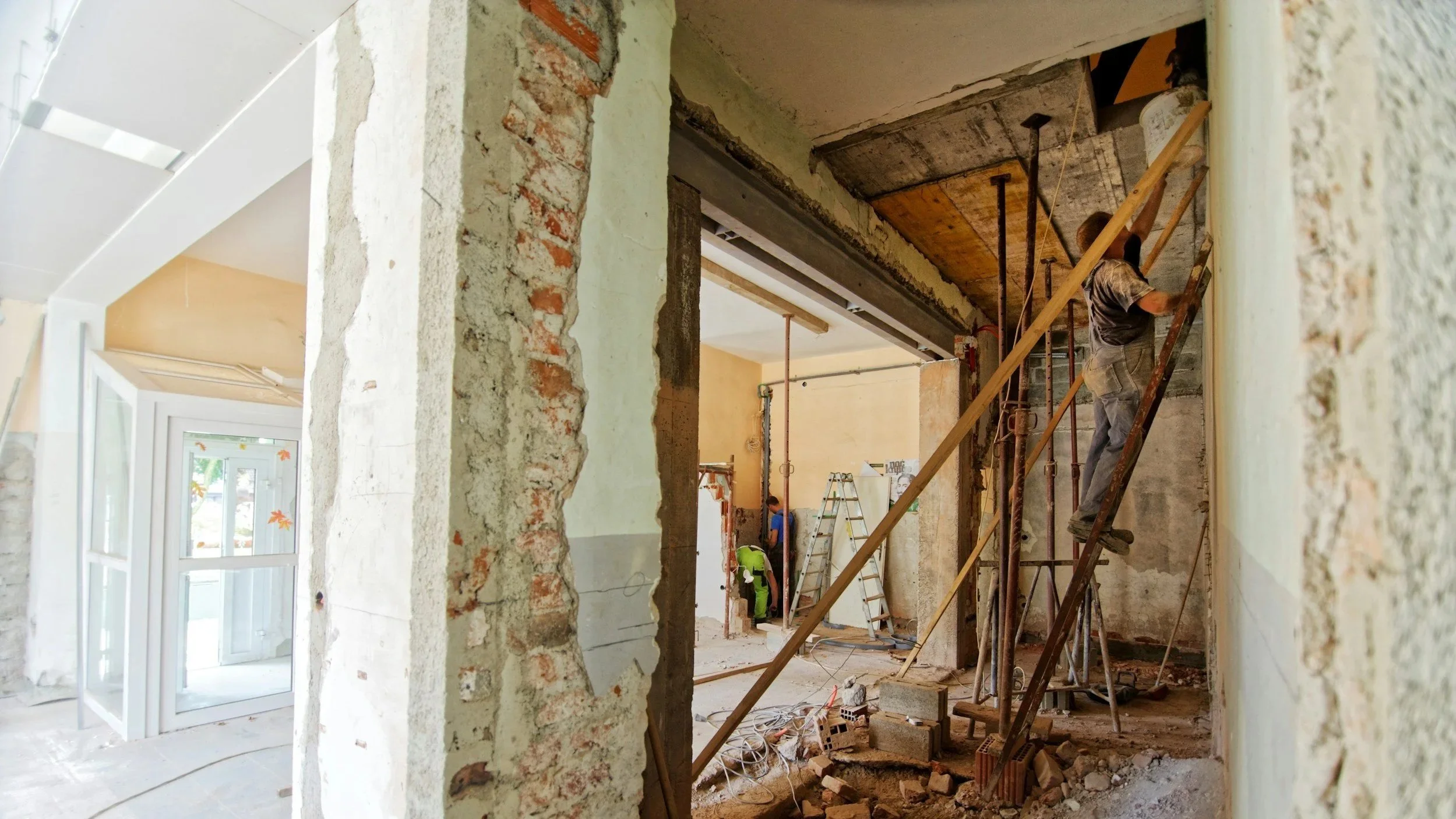
The need she described hasn't gone away. Across Illinois, aging homes put residents at risk every day. Porches crumble, roofs leak, and old wiring creates fire risks. Many homeowners know exactly what needs fixing but can't afford the work.
Bartram's solution was simple. Illinois should follow Pennsylvania's lead and build a comprehensive program to help homeowners repair, upgrade, and adapt their homes. Her case remains the foundation of the work today.
Why Illinois Needs a Statewide Home Repair Program
Bartram's Chicago Tribune op-ed opened with a homeowner she called Alice. Bartram changed homeowners' names to protect their privacy. Alice is a Black woman in her 60s who lives alone in Garfield Park. She has spent her entire life in her home, which is more than 100 years old. On a fixed income, she can't afford to fix her failing porch. "I need a porch bad," she told Bartram.
Alice's fear is well founded. Residential fires and building and porch collapses kill people in Illinois every year. These tragedies strike old buildings most often and hit communities of color hardest.
Every building ages. Without preventive maintenance, bricks crumble and wood rots. Residents of older homes face a long list of hazards:
Lead paint and lead pipes
Mold from water damage
Dangerous indoor temperatures in winter and summer
Warped floorboards that raise the risk of falls
Broken doors and windows that make fires likelier and deadlier
Bartram called the inability to repair one's home "an intractable, deadly epidemic."
Her research backs that up. She shadowed building code inspectors and attended housing court cases. She spoke with more than 50 Illinois homeowners struggling to pay for code violation repairs. She watched unaddressed repairs push longtime owners into foreclosure. She also saw them keep seniors from aging in their homes.
Homeowners Carry the Repair Burden Alone
What surprised Bartram most was how much of the burden falls on individual homeowners. Homes play a crucial role in public health and community safety. Building materials have a known shelf life. Yet in 2023, no comprehensive programs existed to support repairs and maintenance.
Gov. J.B. Pritzker had just relaunched the Opening Doors homeownership program, also known as Abriendo Puertas. It offered working-class families and low-income residents of color $6,000 toward down payments or closing costs. Bartram called it an important step toward correcting past housing discrimination. But buying a home is only the beginning. A program like Opening Doors could help someone purchase a house, but not keep it safe or valuable.
Chicago's own repair program shows what targeted help can do. Bartram introduced Adrienne, a 72-year-old homeowner whose roof and porch were fixed through a city grant. Without that help, Adrienne believed she would have faced foreclosure or been forced to sell. Her home was 110 years old.
But Adrienne was lucky. Her name came up in the city's repair lottery. Demand was high, and many homeowners remained on the waitlist.
Others fell through the cracks entirely. Some homes were in such disrepair that they didn't qualify for help. Many more homeowners didn't even know the program existed.
Pennsylvania's Blueprint for a Statewide Home Repair Program
Bartram pointed to Pennsylvania for a better approach. Its Whole-Home Repairs Program created a one-stop shop for residents to repair, upgrade, and adapt their homes. Homeowners could receive grants of up to $50,000. At the same time, the program built a local workforce and created family-sustaining jobs in a growing field.
Bartram called Pennsylvania's law the first comprehensive bill of its kind. After nearly a decade of research, she reached a clear conclusion. A similar Illinois program is one of the only effective ways to protect people like Alice.
Such a program requires two things. First, broad coordination to cover material and labor costs. Second, a larger skilled workforce ready to meet high demand.
Our coalition took that blueprint and ran with it. The Senior Home Preservation Program Act reflects the same one-stop model. Low-income senior homeowners of one- to four-unit homes could apply for repairs and modifications in one place. Local delegate agencies would complete the work. The Act would also support workforce development through training and stipends.
State Rep. Kevin John Olickal co-sponsored the bill in February 2024. It proposed grants of up to $40,000 for repairs and rehabilitation.
Bartram's vision and the coalition's bill share one belief. Keeping homeowners safe requires a system, not a patchwork.
Building a Statewide Home Repair Program Together
Everyone deserves to feel safe at home. No one should face financial ruin because their house is growing older.
Bartram has continued her work as a professor at the University of Chicago. Her early call to action helped spark a movement. Today, homeowners, advocates, researchers, and service providers are working together to turn her vision into policy.
The need keeps growing. Much of Illinois' housing stock is more than 100 years old. The people who live in those homes are aging, too.
You can help build the program Illinois needs:
Contact your state legislators and urge them to fund senior home repair.
Share your story to show lawmakers what's at stake.
Spread the word about repair resources available today through our services directory.
Pennsylvania showed that a statewide approach can work. Illinois can follow its lead. To join the effort and stay informed, join the Fix Our Homes Illinois Coalition today.